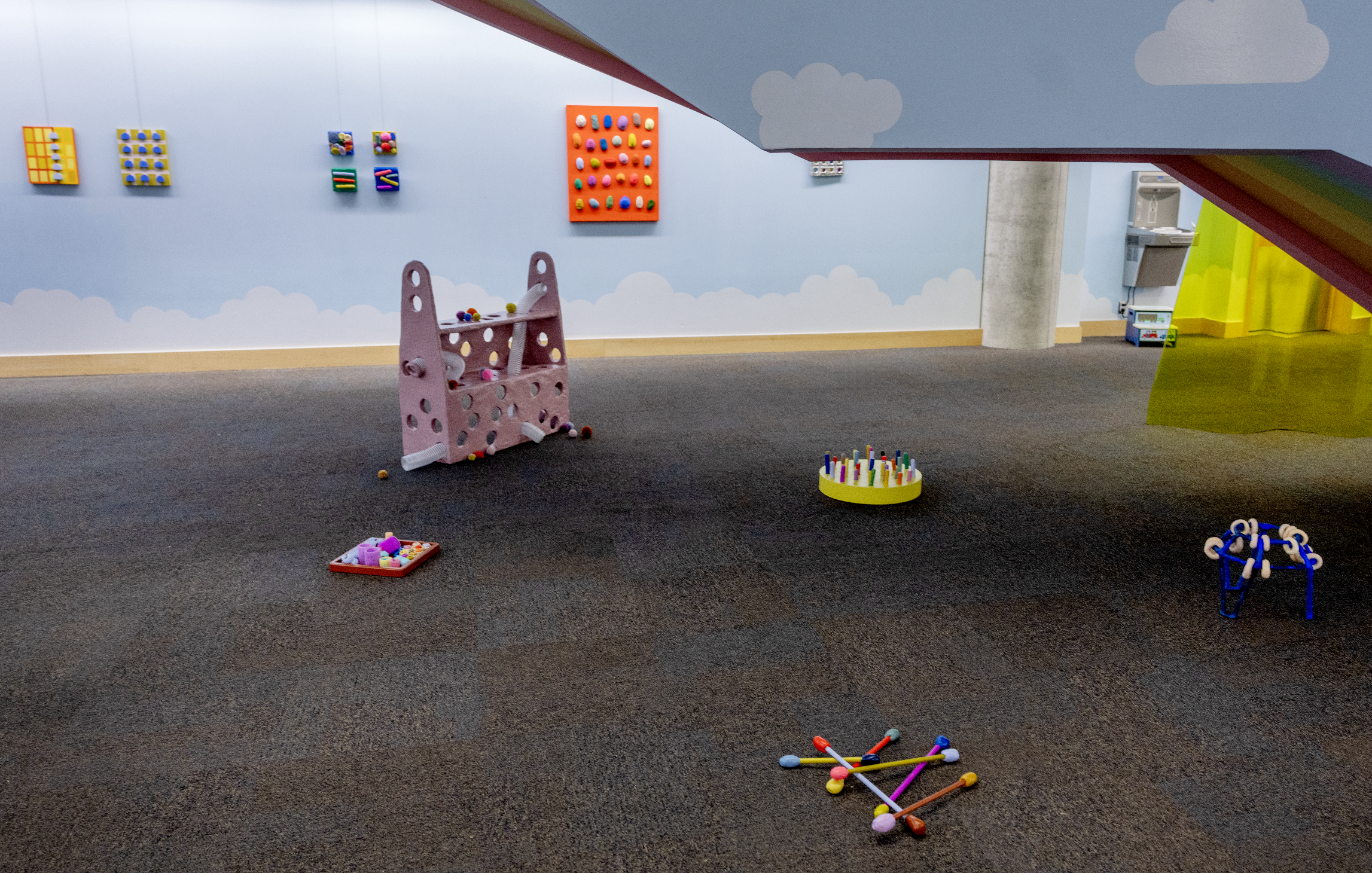

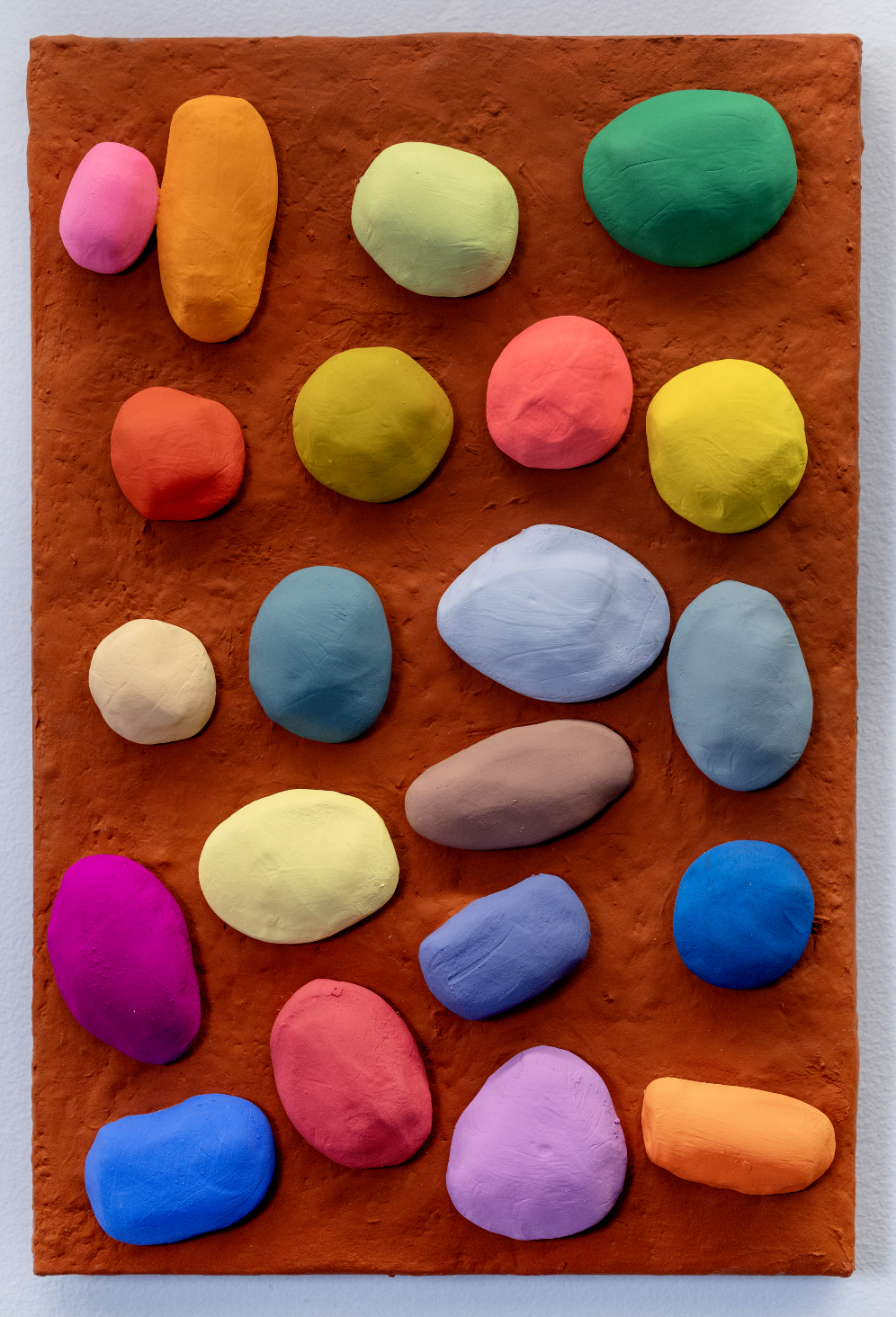
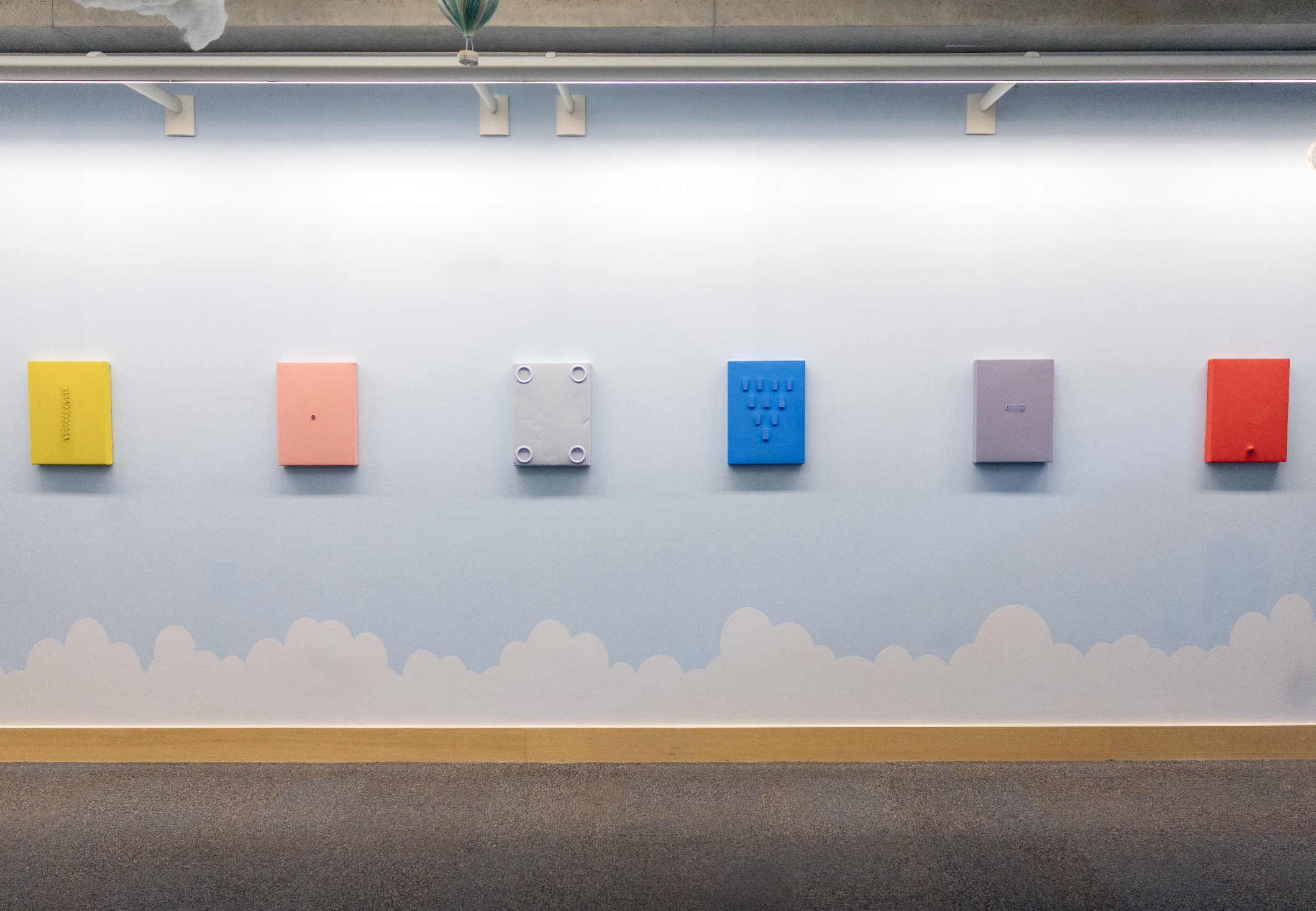
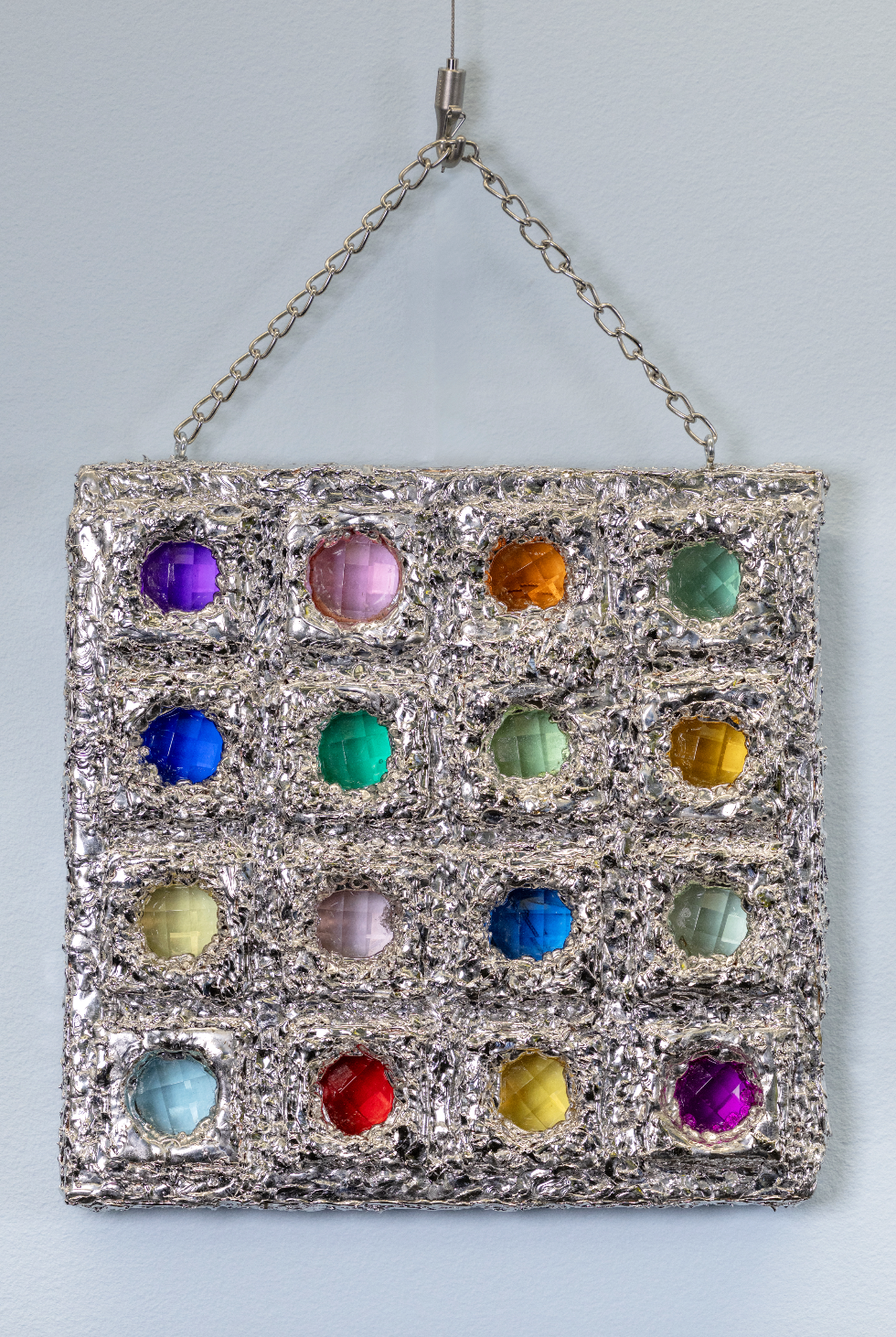
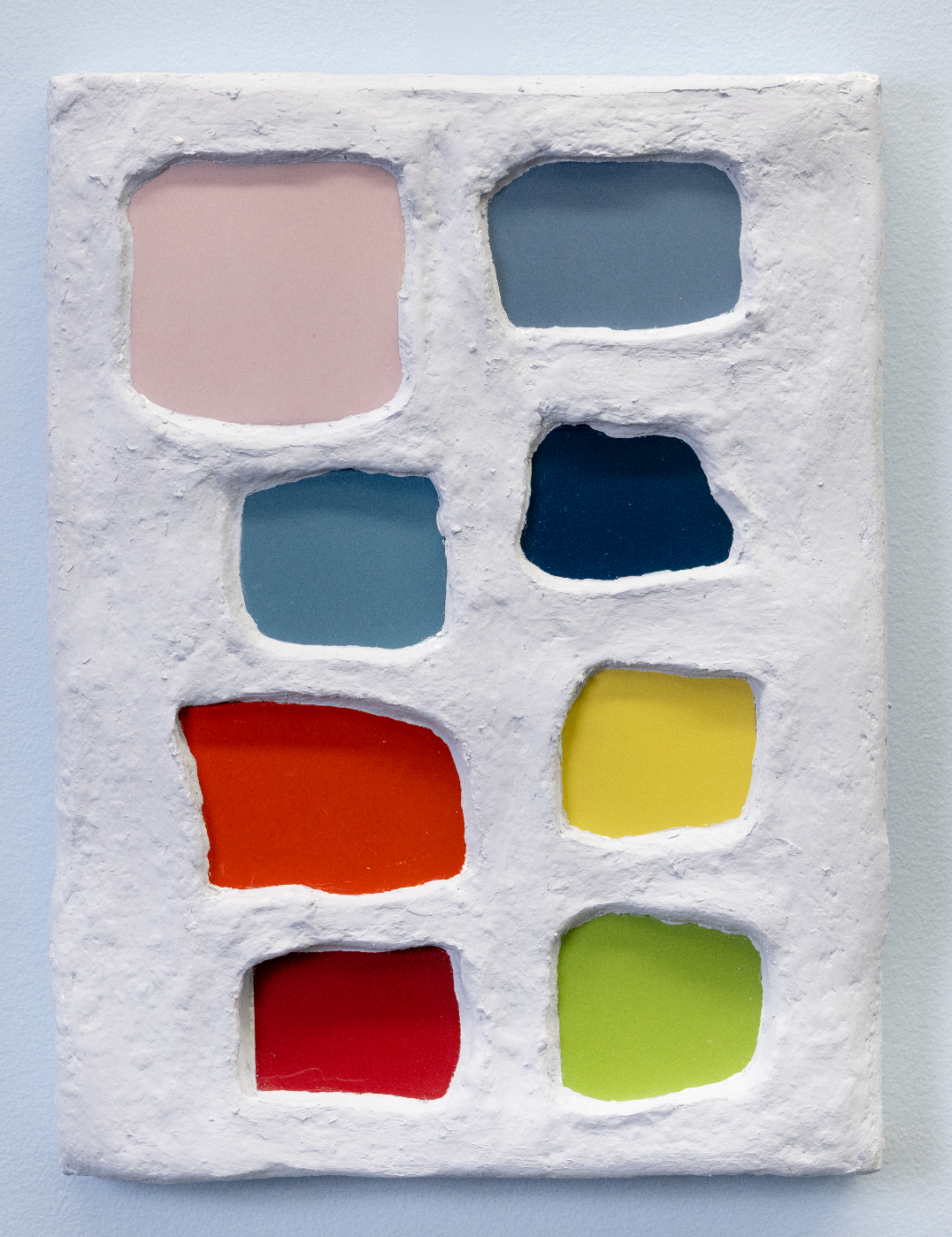
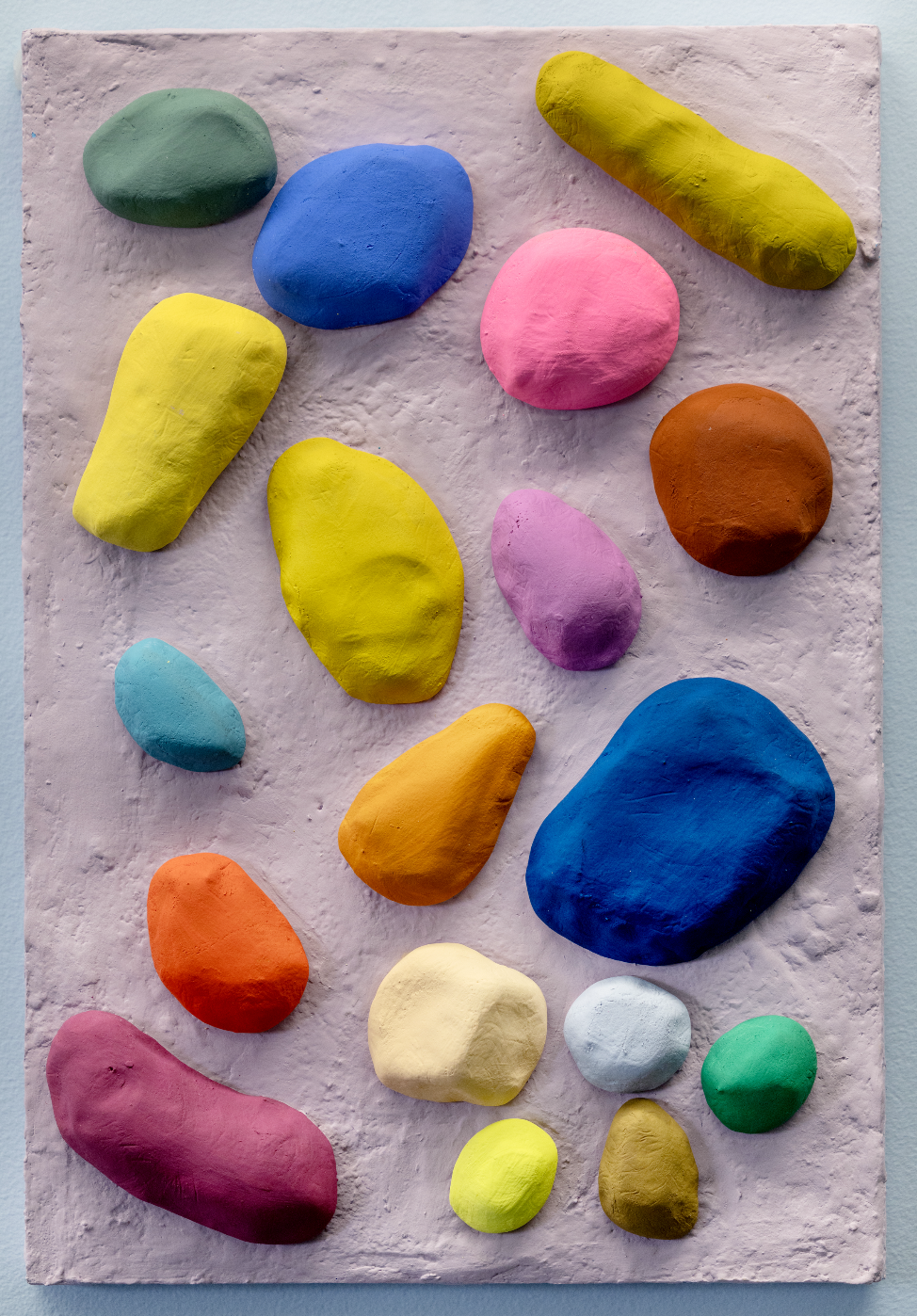

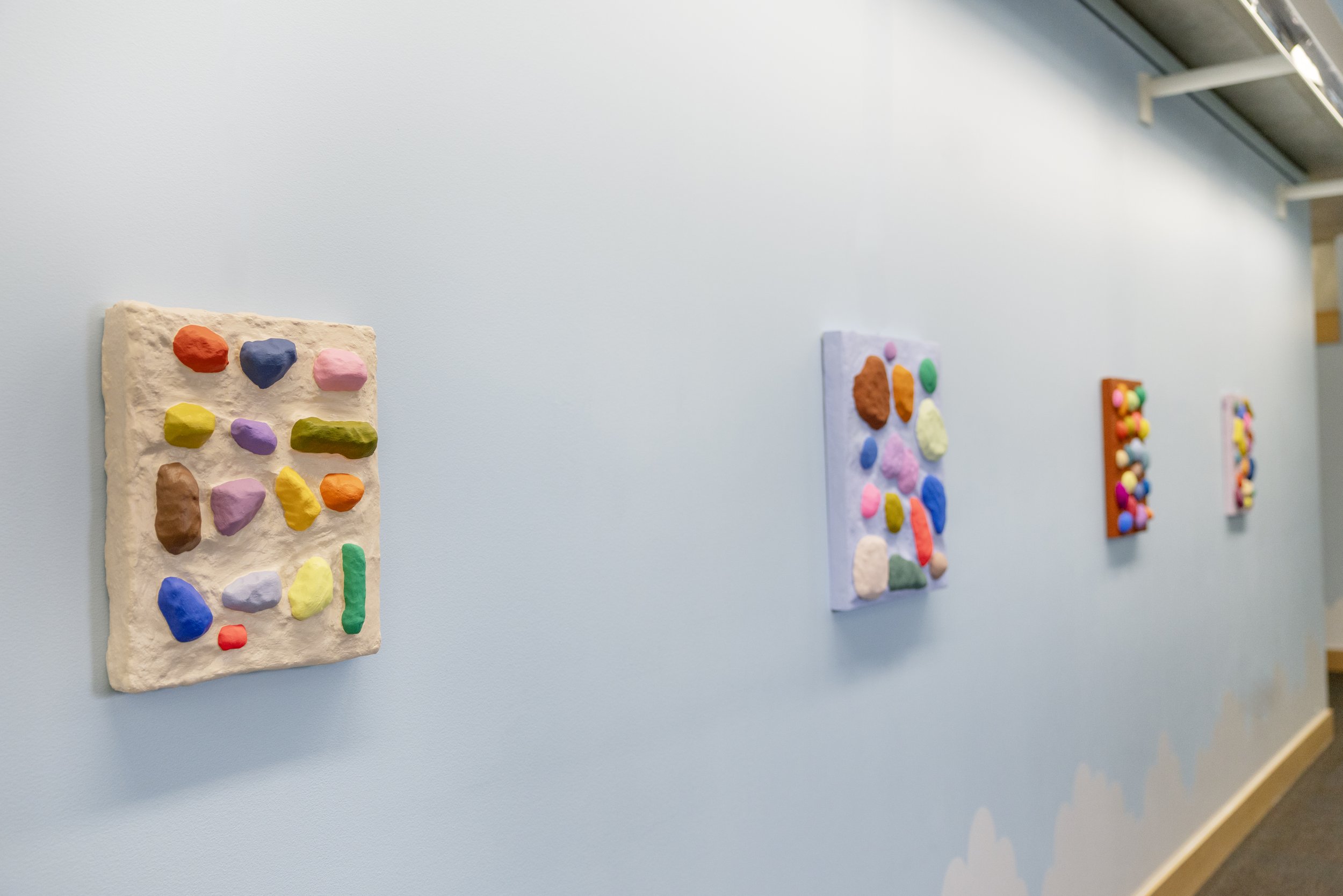
This body of work comes directly from my time working as an early childhood educator here in Salt Lake City. In the classroom, children learn through their bodies. They lift, drag, stack, tear, press, and repeat. They think with their hands. Knowledge grows through connection with materials that have weight, resistance, and possibility.
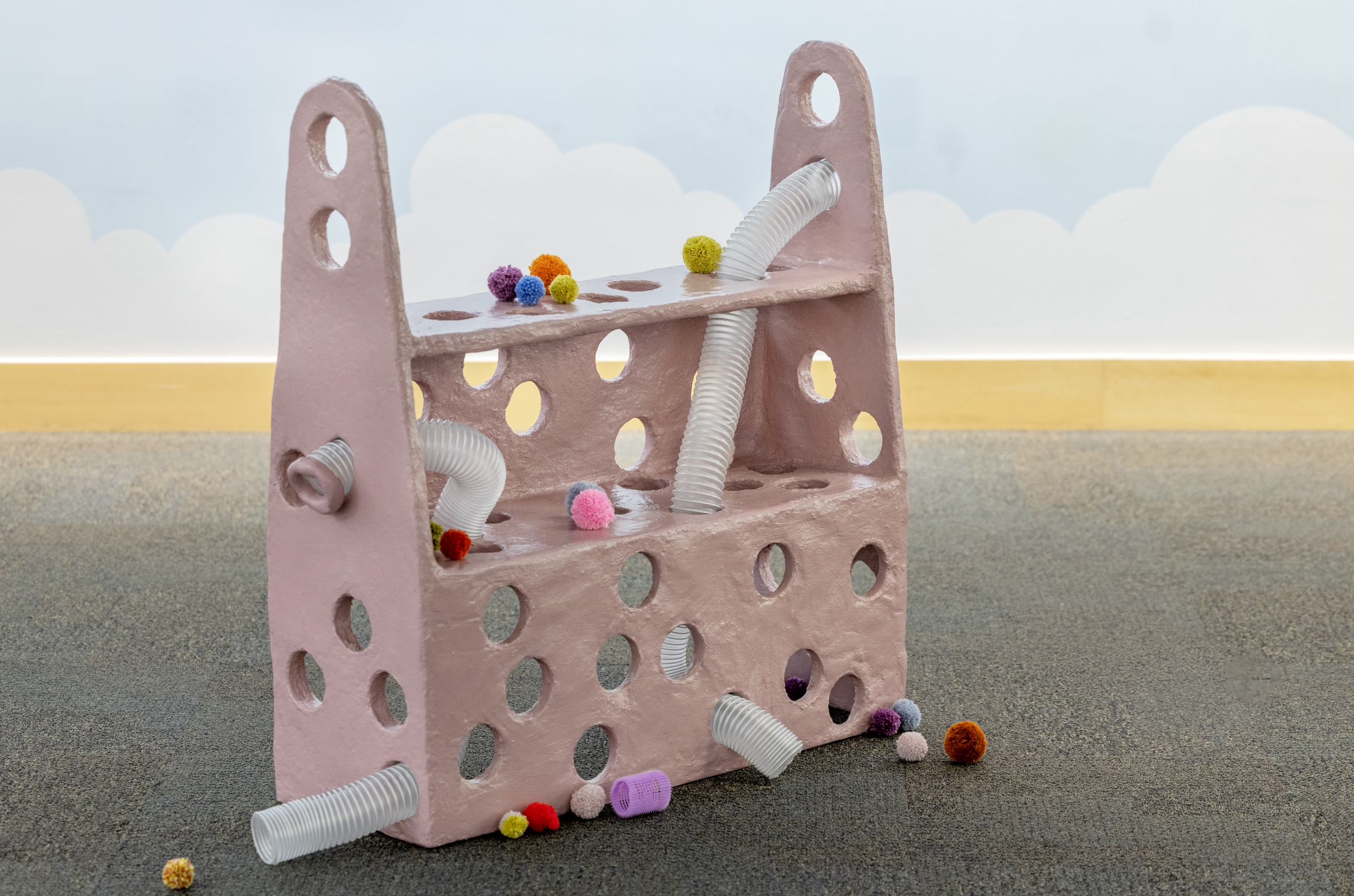
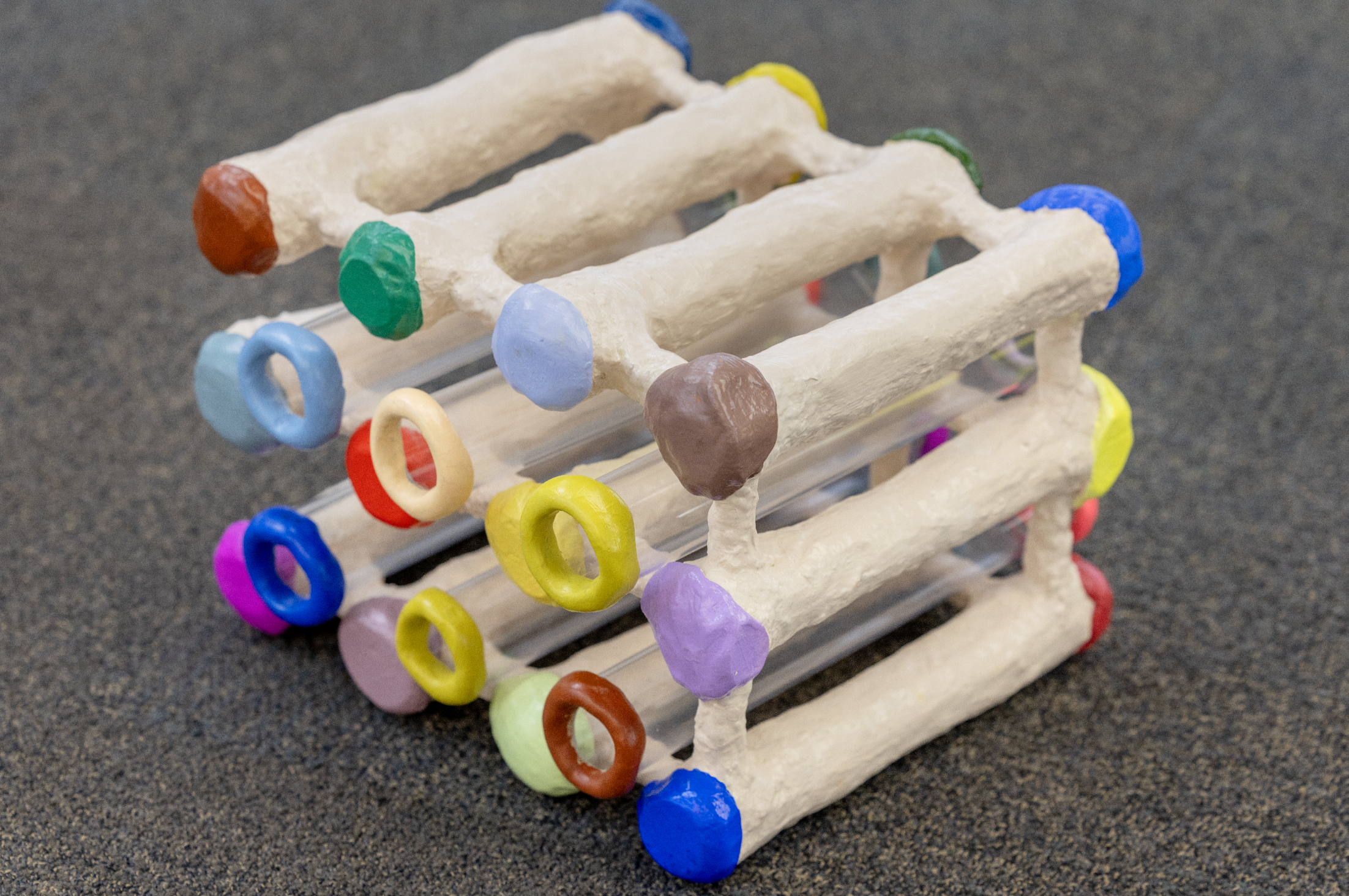
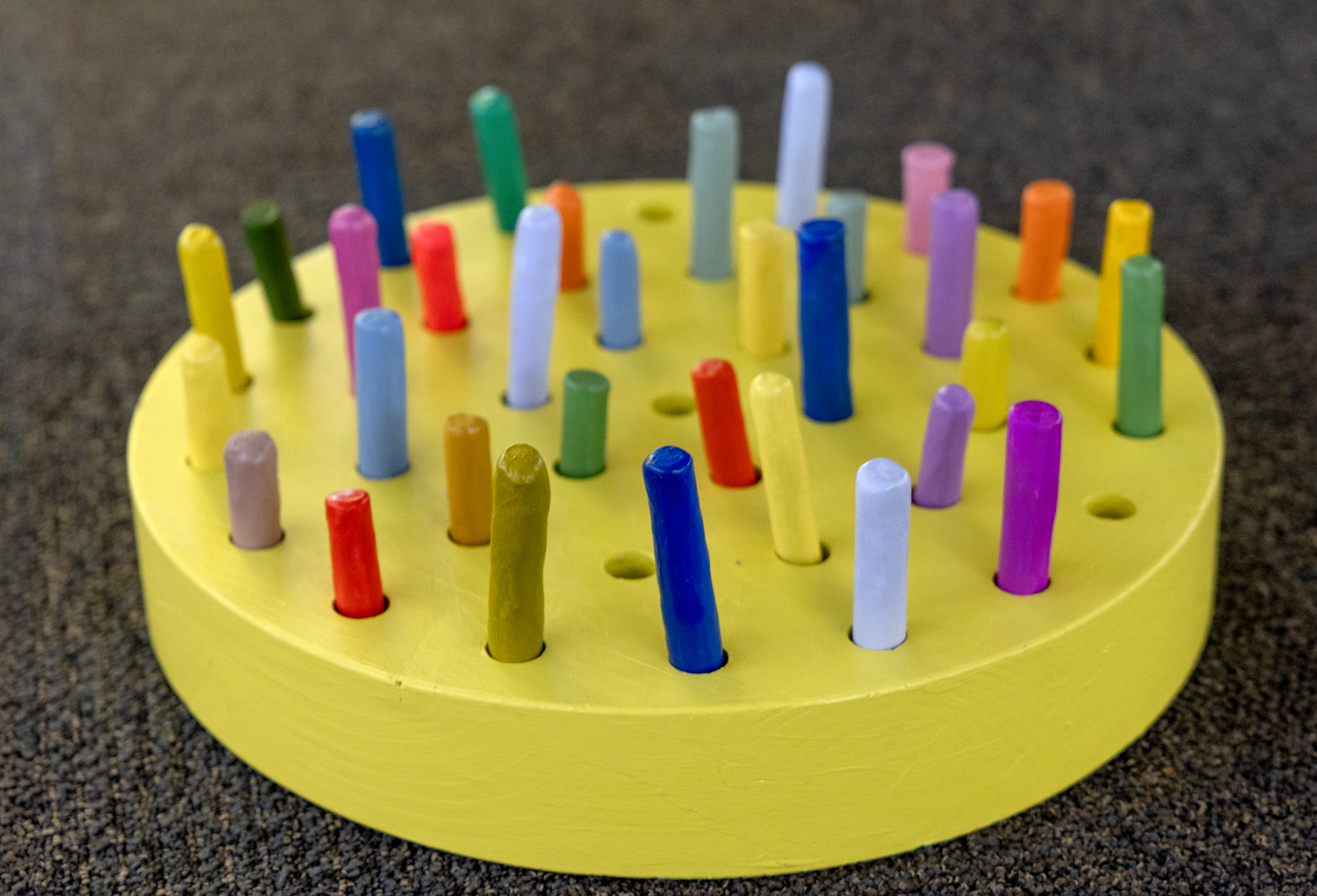
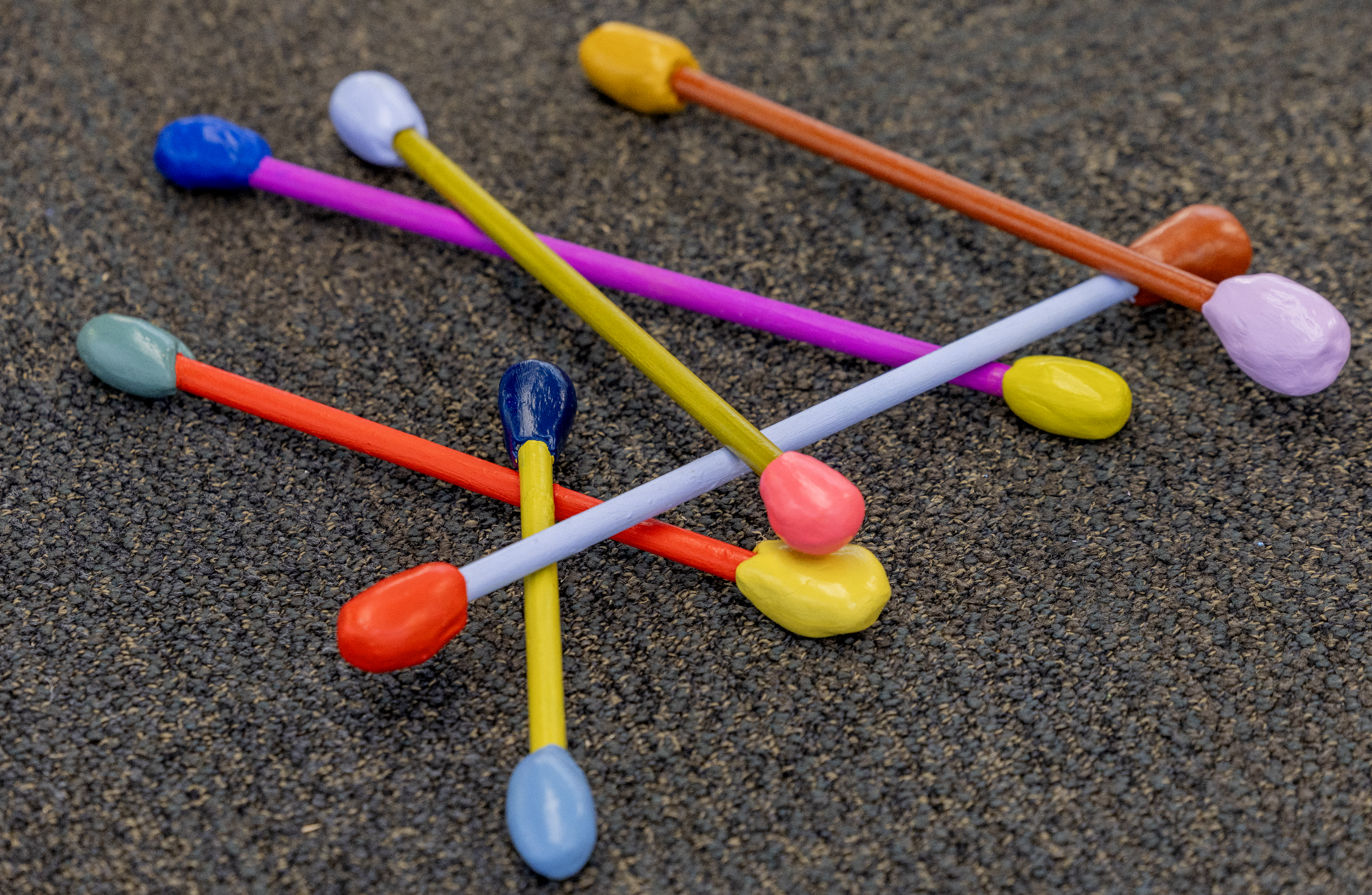
The work in this exhibition draws from the objects and structures found in early learning environments. Paper, clay, loose parts, play-dough-like forms, and large floor-based objects act as both sculptures and invitations. They are meant to be played with.
In early childhood education, loose parts are open-ended materials that children can move, combine, and transform. They do not have a fixed purpose. A stick can be stacked, rolled, carried, or lined up. A wool ball can become an animal, a road, or a collection of acorns. Because the materials can be used in many ways, children return to them again and again, discovering new possibilities through play.
This exhibition takes place in a children’s library and includes work that can be physically engaged with. Early childhood learning deserves to be recognized as complex and meaningful. What might we build if we took children’s ways of knowing seriously?